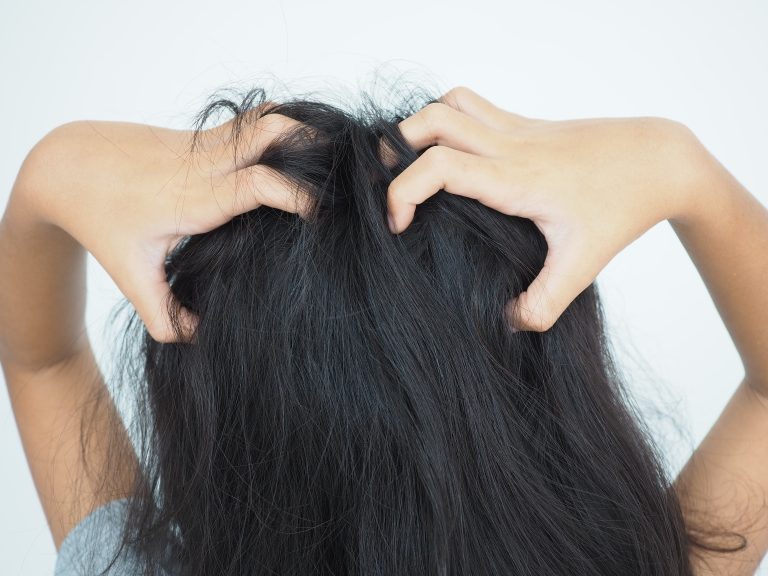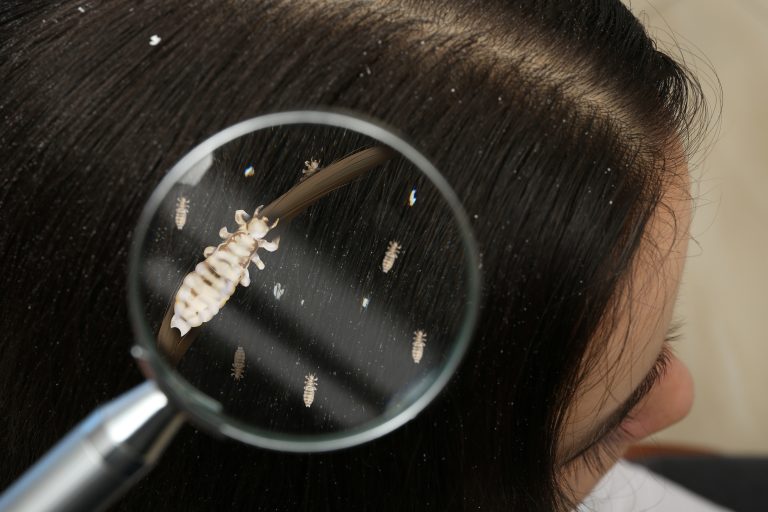


You just got the note from school. Your stomach drops, your scalp starts tingling, and within minutes you are deep in an internet rabbit hole full of conflicting advice, old wives’ tales, and flat-out misinformation. Sound familiar? You are not alone — and the myths you are about to encounter can be just as harmful as the lice themselves.
Misinformation about head lice leads parents to waste money on useless products, delay effective treatment, and carry shame that no family deserves. Let us set the record straight on seven of the most persistent myths so you can protect your family with facts, not fear.
Why Lice Myths Persist — and Why They’re Harmful
Head lice have been human companions for thousands of years. Yet despite millennia of coexistence, public understanding of lice remains startlingly poor.
Myths persist for several reasons. Lice are associated with stigma, which discourages open conversation. Schools and community groups often circulate well-meaning but outdated information. And the internet amplifies anecdotal advice that drowns out evidence-based guidance from organizations like the CDC and the American Academy of Pediatrics (AAP).
The harm is real: believing myths can lead to delayed treatment, overuse of pesticide-based products, and unnecessary household cleaning.
When you believe myths, you fight the wrong battle. Here are the seven myths that need to go.
Myths 1–4: The Ones Almost Everyone Gets Wrong
Myth 1: Lice Only Infest Dirty Hair — and Myth 2: Pets Can Carry Lice
The dirtiness myth is the most damaging of all. Head lice are not a sign of poor hygiene. The CDC states explicitly that “head lice are not related to cleanliness of the person or his or her environment.” Lice actually prefer clean hair because it is easier to grip and navigate. Families across Princeton, Hamilton, Trenton, Ewing, Lawrence, and West Windsor often delay seeking help because they are embarrassed — worried that a lice diagnosis reflects poorly on their parenting. It does not. The only thing you need to get lice is hair and proximity to someone who has them.
The pet myth is equally persistent and equally false. Head lice are species-specific obligate parasites — they can only survive on human blood. The CDC confirms that pets play zero role in lice transmission.
Key facts that debunk both myths: Learn about our lice treatment services in South River.
- Freshly washed hair is just as hospitable to lice as unwashed hair — cleanliness offers no protection
- Human head lice (Pediculus humanus capitis) require human blood meals every three to six hours and cannot survive on any animal
- Even if a louse landed on a pet, it would die within hours without access to a human scalp
- There is no reason to treat, quarantine, or bathe pets during a lice outbreak in your home
Myth 3: Lice Can Jump or Fly — and Myth 4: You Can Feel Them Immediately
Lice cannot jump and they cannot fly. They have no wings and no powerful hind legs adapted for jumping. The CDC states clearly that head lice “move by crawling” and “cannot hop or fly.” Meanwhile, most parents assume they would know immediately if lice were present. In reality, most people feel nothing during the early weeks of infestation. The AAP explains that itching is an allergic reaction to louse saliva that can take four to six weeks to develop in someone exposed for the first time.
What this means for your family:
- Lice spread almost exclusively through direct head-to-head contact — hair touching hair for a sustained period
- Sitting near someone with lice in a classroom or theater does not put you at meaningful risk — transmission through shared objects is considered rare by the AAP
- First-time infestations frequently go unnoticed for weeks because the body has not yet sensitized to louse saliva
- By the time itching becomes noticeable, the infestation may already involve dozens of lice and hundreds of nits
This is why the AAP recommends routine visual screening during known outbreaks rather than relying on symptoms. A weekly scalp check behind the ears and at the nape of the neck takes thirty seconds and catches infestations far earlier than waiting for itching.
Myths 5–7: The Ones That Lead to Bad Decisions
Myth 5: Swimming Pools Spread Lice — and Myth 6: Shaving Is the Only Cure
Summer brings pool parties, and pool parties bring lice anxiety. But lice are remarkably resistant to water and do not spread through swimming. The CDC says lice are unlikely to spread in a swimming pool.
Meanwhile, some desperate parents consider shaving a child’s head to eliminate lice. While removing all hair would technically remove the lice’s habitat, it is an extreme and unnecessary measure that can cause significant emotional distress. Shaving the head is not necessary, and effective treatments exist that require no hair removal at all.
The facts that dispel both myths:
- Lice grip hair shafts with specialized claws and do not detach when submerged — chlorine at pool concentrations does not kill them
- The real risk at swim events is sharing towels and goggles — not the water itself
- Modern professional treatment methods resolve even heavy infestations in a single session without cutting a single strand of hair
- The emotional cost of shaving a child’s head far outweighs any marginal benefit over proven alternatives
Myth 7: Only Children Get Head Lice
Lice are most common in children ages 3 to 11, and the CDC estimates that 6 to 12 million infestations occur in this age group annually in the United States. But the notion that adults are immune is false. Adults get lice too — they get it from their children, from close contacts, and from any situation involving sustained head-to-head contact. Learn about our lice treatment services in Piscataway.
Who else is at risk beyond school-age children:
- Parents and caregivers who have close physical contact during bedtime routines, hair styling, and comforting children
- Teenagers and young adults who share close living spaces in dormitories and engage in frequent social contact
- Teachers, camp counselors, and childcare workers who spend extended time in close proximity to children
- Anyone who has hair and comes into direct head contact with an infested individual — regardless of age, gender, or socioeconomic background
At Lice Lifters of Mercer County, we treat adults and children alike. If your child has lice, we recommend that every household member receive a professional head screening — because catching an adult infestation early prevents the cycle from restarting after your child is treated.
Replacing Myths with Facts — What Actually Protects Your Family
Now that we have cleared away the misinformation, let us focus on what works. Protecting your family from lice does not require panic, expensive gadgets, or obsessive household cleaning. It requires three things: knowledge, routine, and access to professional help when you need it.
The evidence-backed approach is straightforward. Keep long hair pulled back during school and activities. Teach children to avoid direct head-to-head contact during play. Use a proven prevention spray with natural essential oils like tea tree and peppermint. And perform a quick weekly visual check of your child’s scalp during high-risk seasons.
If lice do appear despite your best efforts — and with 6 to 12 million annual cases, no prevention routine is foolproof — act quickly rather than cycling through drugstore products that may not work. In some communities, lice now carry resistance to permethrin and pyrethrin, the active ingredients in most over-the-counter treatments.
Lice Lifters of Mercer County resolves lice infestations in a single visit using an all-natural, non-toxic process — no pesticides, no heated-air devices, no second appointments. Our treatment comes with a 30-day guarantee.
Families throughout Princeton, Hamilton, Trenton, Ewing, Lawrence, and West Windsor trust Lice Lifters because we combine expertise with compassion. We know the myths, we know the facts, and we know exactly how to get your family lice-free and back to normal. Book your appointment today. Learn about our lice treatment services in Dayton.
Frequently Asked Questions
Do lice prefer dirty or clean hair?
Lice have no preference based on cleanliness. The CDC confirms that head lice are not related to hygiene. Lice actually navigate clean hair slightly more easily because it is less oily, but they will infest any hair type regardless of washing frequency.
Can head lice live on pillows and furniture?
Head lice can survive off a human scalp for only 24 to 48 hours. While it is theoretically possible for a louse to transfer from a pillow, the AAP considers this route of transmission rare. Direct head-to-head contact accounts for the vast majority of lice spread.
Can lice survive in chlorinated water?
Yes. Head lice can survive underwater for several hours, and chlorine does not kill them. The CDC says lice are unlikely to spread in a swimming pool.
Should I treat my whole house if someone has lice?
Extensive household cleaning is not necessary. The AAP recommends machine washing bedding and recently worn clothing in hot water and drying on high heat. Vacuuming furniture and carpets near where the infested person sat or lay is reasonable, but fumigating the home or bagging all belongings for weeks is unnecessary and not evidence-based.
Can adults get lice from their children?
Yes. Adults are susceptible to head lice through the same direct head-to-head contact that spreads lice among children. Parents, caregivers, and anyone in close physical contact with an infested child should be screened. At Lice Lifters, we recommend whole-family screenings to prevent reinfestation.