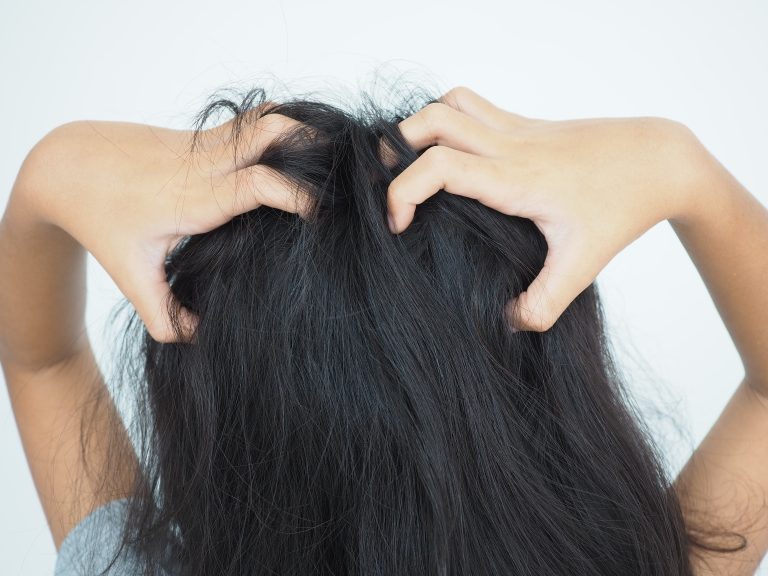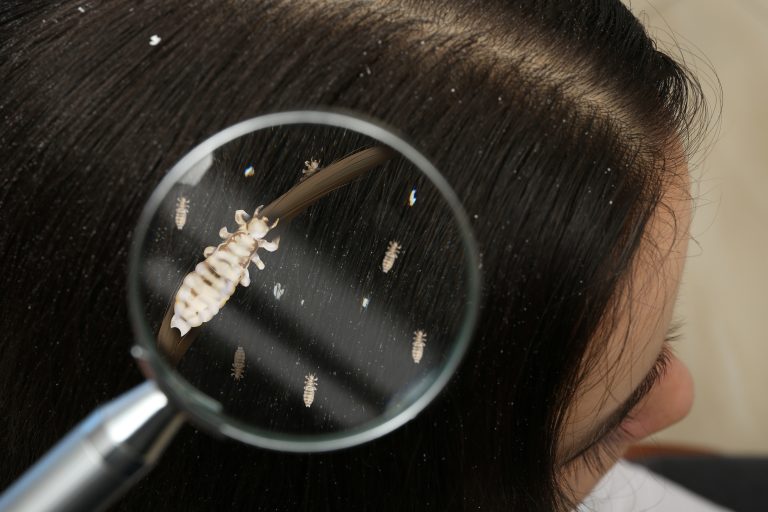

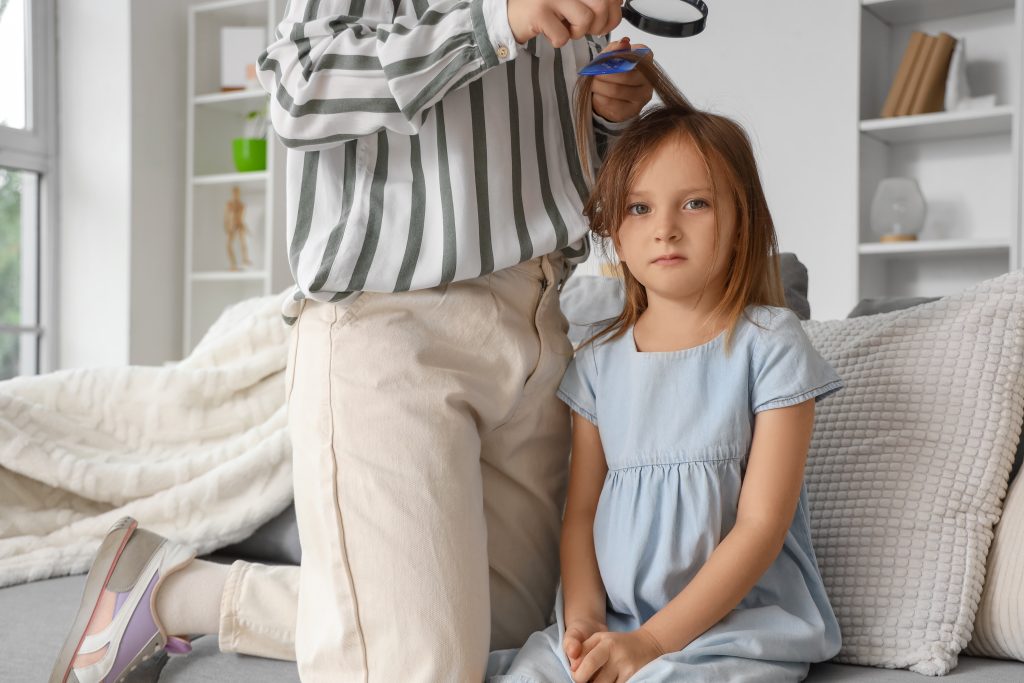
You found lice on your child’s head, and your stomach just dropped. Before the panic spirals — before you strip the beds, cancel tomorrow’s plans, and start furiously Googling — there is one thing you need to know that most parents learn the hard way: if one person in your house has lice, there is a very good chance someone else does too. The single biggest mistake families make is treating only the child who is scratching while the rest of the household silently carries the infestation forward.
Why Treating One Person Is Never Enough
Head lice are remarkably efficient at moving between people who live under the same roof. The CDC reports that an estimated 6 to 12 million lice infestations occur in the United States each year among children aged 3 to 11.
That last part is critical. Itching, the symptom most people associate with lice, is actually an allergic reaction to louse saliva. According to the American Academy of Pediatrics (AAP), it can take four to six weeks after an initial infestation for itching to begin. That means a parent, sibling, or caregiver could be carrying live lice for over a month without feeling a thing. During that time, they are a walking re-infestation source for the child you just spent time and money treating.
Failing to check and treat all close contacts can lead to repeated lice episodes. It is not that the treatment failed. It is that the lice never actually left the household.
The Reinfection Cycle Most Families Get Stuck In
When only one family member is treated, you set the stage for a frustrating loop that can drag on for weeks or even months. Here is how it typically plays out:
- The diagnosed child receives treatment and appears lice-free within a day or two
- An untreated sibling or parent who has not yet developed symptoms continues to carry live lice
- Within one to two weeks, the “treated” child has lice again from normal household contact — hugging, sitting on the couch together, sharing a bed
- The family retreats to the drugstore for another round of treatment on the same child, never addressing the actual source
This cycle is exhausting, expensive, and entirely preventable.
Who Should Be Checked: The Complete Household List
When lice are found on anyone in your home, every person who lives there — or has been staying there regularly — should receive a thorough head check. There are no exceptions based on age, gender, or hair type.
Parents often assume they are safe because they are adults, or because they have short hair, or because they are not itching. None of those factors protect you. While children aged 3 to 11 are the most commonly affected group, the AAP acknowledges that lice do not discriminate. Anyone with hair can get lice.
Your Head Check Checklist
Every household is different, but make sure you are not overlooking anyone on this list: Learn about our lice treatment services in Dayton.
- All siblings, including teenagers who may insist they “definitely don’t have it” — teens are the second most common age group for transmission due to selfie-taking and close social contact
- Both parents or any adult guardians in the home, regardless of hair length or type
- Grandparents, nannies, babysitters, or any caregiver who has had close contact with the affected child in the past two weeks
- Children who split time between two households — if your child has lice, the other household needs to know and check as well
Professional screening is the most accurate way to determine whether someone has lice. Lice are small, fast-moving, and translucent, making them difficult to spot with an untrained eye. Nits are often confused with dandruff, hair casts, or product buildup. At Lice Lifters of Mercer County, trained technicians use specialized tools and techniques to give you a definitive answer for every family member in one appointment.
The Lice Lifters Family Approach
At Lice Lifters, we built our entire treatment model around the reality of how lice spread. We do not just treat the person who is itching — we treat the household. Our approach is designed to break the cycle of reinfection and get your whole family back to normal life as quickly as possible.
When your family comes in, every member receives a thorough screening. Anyone found to have lice or nits is treated on the spot with our all-natural, non-toxic treatment process. We do not use heated-air devices. We do not use pesticide-based chemicals. Our treatment process relies on safe, effective products and meticulous manual technique to remove every louse and nit in a single visit.
The AAP has long recommended thorough nit removal as a key part of successful lice treatment, and that is exactly what we prioritize. Every strand is carefully checked, and every nit is removed before your family walks out the door.
What Our 30-Day Guarantee Means for Your Family
We are so confident in our whole-family approach that every treatment comes with a 30-day guarantee. Here is what that means in practice:
- You get genuine peace of mind that when you leave our clinic, the problem is solved for your entire household
This guarantee exists because when you treat the whole family at once, recurrence rates drop dramatically.
Preventing Reinfection After Family Treatment
Once your household has been professionally treated, the last thing you want is a repeat episode. The good news is that once every family member has been cleared, preventing reinfection is straightforward and does not require turning your home upside down. Learn about our lice treatment services in Highland Park.
The CDC states that head lice cannot survive off a human host for more than 24 to 48 hours. Nits that fall off the hair shaft cannot hatch at room temperature because they need the warmth of the human scalp. That means your home is not harboring a hidden lice colony — the risk lives on people, not on surfaces.
Simple Steps to Stay Lice-Free After Treatment
A few practical habits can keep your family protected in the weeks and months following treatment, especially if lice are circulating in your children’s school or community in Princeton, Hamilton, Trenton, Ewing, Lawrence, and West Windsor:
- Wash bedding, pillowcases, and recently worn clothing in hot water (130 degrees Fahrenheit or higher) and dry on high heat for at least 20 minutes
- Items that cannot be washed — stuffed animals, decorative pillows, headphones — can be sealed in a plastic bag for two weeks, as the CDC advises
- Vacuum upholstered furniture, car seats, and carpeted areas where heads may have rested, then discard the vacuum bag or empty the canister
- Conduct weekly head checks on all family members for the first two to three weeks after treatment, focusing on the areas behind the ears and at the nape of the neck where lice are most commonly found
Beyond the immediate cleanup, long-term prevention comes down to awareness. Teach your children not to share hats, helmets, brushes, or hair accessories. Remind them that head-to-head contact — leaning in for selfies, whispering to friends, sharing a pillow at sleepovers — is the primary way lice spread. These are not rules meant to scare them, just practical habits that reduce risk.
Your Whole Family Deserves to Be Lice-Free
Dealing with lice is stressful enough without going through it multiple times because only one person was treated. When you address the entire household at once, you break the cycle, protect every family member, and reclaim your peace of mind in a single visit.
If someone in your family has lice — or if you just want to be sure everyone is clear — schedule a family screening at Lice Lifters of Mercer County today. We will check everyone, treat anyone who needs it, and send your family home lice-free with a 30-day guarantee behind every head we touch.
Frequently Asked Questions
If my child has lice, does the whole family need treatment?
The whole family needs a head check. The CDC and AAP both recommend screening all household members when one person is diagnosed. Learn about our lice treatment services in Port Reading.
Can adults get lice from their kids?
Yes. While children aged 3 to 11 are the most commonly affected group, any person with hair can contract head lice through close contact. Parents are frequently found to be secondary carriers during family screenings.
How long can someone have lice without knowing?
The AAP reports that itching may not begin for four to six weeks after an initial infestation. During that time, a person can carry and transmit live lice without experiencing any symptoms at all.
Why do lice keep coming back after treatment?
The most common reason for recurrence is that other household members were not checked or treated. An untreated carrier continues the cycle of transmission even after the originally diagnosed person is cleared.
Is your family treatment safe for young children?
Yes. Our all-natural, non-toxic treatment is safe for children of all ages, including toddlers. We do not use pesticide-based chemicals or heated-air devices, making our process gentle enough for the youngest members of your family.