

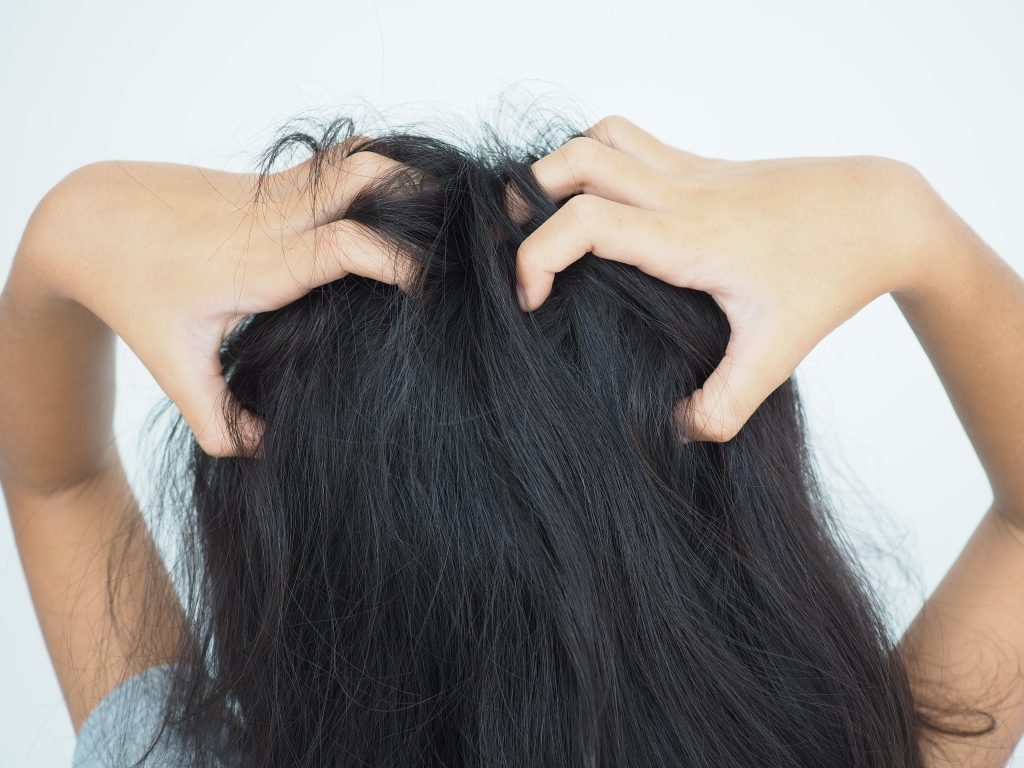
If you don’t treat lice, they stay and keep reproducing. Adult head lice go on feeding on the scalp and laying eggs, the eggs hatch into young lice that grow into egg-laying adults, and the AAP says this cycle can repeat every three weeks if head lice are left untreated. The reassuring part is that head lice do not spread disease. The real costs of waiting are a lingering itch, sores from scratching and lice passing to the people your child is closest to.
Will Lice Go Away If You Wait Them Out?
No. Individual lice die, but an infestation keeps replacing itself while live lice remain on the head. The CDC says adult lice can live on a person’s head for about 30 days and that an adult female can lay about six eggs each day. Those eggs, called nits, take about a week to hatch, and the young lice need about seven more days to mature. Long before the first adults die, the next generation is laying eggs of its own.
The CDC and the AAP give slightly different figures for each stage:
| Stage | CDC | AAP |
|---|---|---|
| Egg (nit) to hatching | About a week (6 to 9 days) | 7 to 12 days, depending on temperature |
| Young louse to adult | About seven days | About 9 to 12 days after hatching |
| Adult life on the head | About 30 days | About 28 days |
| Eggs laid by one female | About six a day | Up to 10 a day |
| Survival after falling off | Dies within two days if it cannot feed | No more than 1 day without a blood meal |
Off the head, the picture changes. The CDC says lice will die within two days if they fall off a person and cannot feed. Our post on how long lice can survive without a host covers that side of the question, and if you are tempted to give it one more week, read why head lice don’t go away on their own first.
Can Untreated Lice Make You Sick or Kill You?
No. Head lice feed on small amounts of blood from the scalp, yet the CDC says they “do not transmit any disease and therefore are not considered a health hazard.” The AAP calls them a nuisance that doesn’t cause serious illness.
Two things still deserve attention. One is the skin: the CDC lists sores on the head caused by scratching, which can sometimes become infected with bacteria normally found on the skin. Show any sore that worries you to your child’s doctor. The other is the remedy. The CDC warns that the drugs used to treat lice are insecticides and can be dangerous if misused or overused. The AAP says never to use gasoline, kerosene or medicines made for animals, never to place a plastic bag on a child’s head and not to spray pesticides in your home. A long, frustrating wait is when shortcuts like these start to look tempting.
What Happens If You Have Head Lice for Too Long
Over weeks, an untreated case can bring itching, restless nights and spread to others in close contact, though not on any fixed schedule:
- A quiet start. The CDC says it may take four to six weeks for itching to appear the first time a person has head lice, and a first or light infestation may cause no symptoms at all, so lice can go unnoticed for weeks.
- Itching. The CDC calls itching “the most common symptom of head lice infestation” and links it to an allergic reaction to louse bites. The AAP says it can last for weeks, even after the lice are gone.
- Broken sleep. MedlinePlus, from the National Institutes of Health, lists trouble sleeping because head lice are most active in the dark, and the CDC names irritability and sleeplessness.
- Spread at home. The AAP says the main way head lice spread is close, prolonged head-to-head contact.
None of this is a verdict on your home. The CDC says getting head lice is not related to cleanliness of you or your environment, and the AAP notes that anyone can get head lice. If your child feels embarrassed, the AAP says removing nits may help with that.
What Happens to Nits Left in the Hair
Nits close to the scalp can still hatch into new lice; nits found farther out are a different matter. The CDC says nits attached more than a quarter inch from the base of the hair shaft are almost always hatched or dead, and that eggs not kept at the temperature found near the scalp “cannot hatch and usually die within a week.” The AAP adds that empty nits stay on the hair shaft after hatching.
That matters for your decision. If you see no crawling lice and every nit you find sits more than a quarter inch from the scalp, the CDC says the infestation is probably old and does not need treatment.
Spotting real nits takes care. The CDC says misdiagnosis of head lice infestation is common, and nits get mistaken for dandruff, hair spray droplets and dirt. The AAP’s test is simple: nits are firmly attached to the hair, while those particles are not. The CDC calls finding a live young or adult louse on the scalp or hair the best way to diagnose an infestation.
How to Decide It Is Time to Treat
Treat when you find live lice. The CDC’s guidance on treating head lice says to treat if you have an active infestation, and the AAP says head lice medicine should be used only when it is certain your child has living head lice. The AAP also recommends checking with your child’s doctor before beginning any treatment.
According to the CDC, both over-the-counter and prescription medications treat head lice and are generally safe and effective when used correctly. The AAP stresses following the package directions exactly as written, and notes that head lice can be resistant to the active ingredients in over-the-counter treatments in some communities. When a treatment seems to fail, the CDC points to these possible reasons:
- Misdiagnosis
- Recent use of conditioner or a combination shampoo and conditioner
- Not following the treatment instructions
- Head lice resisting the medication
- Reinfestation after successful treatment
The CDC advises talking to a healthcare provider, who may suggest a different medicine, before re-treating. To see how long different approaches take from start to finish, our lice treatment timeline comparison sets them side by side.
Frequently Asked Questions
Can lice kill you if they are not treated?
No. Untreated head lice are an annoyance rather than a disease risk, because they carry no illness from person to person, even though they live on blood from the scalp. What can turn into a medical question is broken skin. Scratching can open sores that can pick up bacteria, and a doctor should look at any sore that concerns you.
Will head lice go away without treatment?
Not while live lice remain on the scalp. A louse that drops off a person and cannot feed dies within two days, but the ones still on the head keep feeding and laying eggs. Each new batch hatches and matures into adults that lay eggs again, which is how an infestation keeps going week after week.
What happens if you leave nits untreated?
It depends on how close they sit to the scalp. Nits within a quarter inch can hatch, and the young lice reach adulthood in roughly one to two weeks, depending on the source. Nits found farther out are almost always hatched or dead, and finding only those, with no live lice, points to an old infestation.
Can you have head lice without itching?
Yes. Itching is an allergic reaction to louse bites, and the body can take four to six weeks to develop it the first time. A light or first infestation may produce no symptoms. The AAP describes regular checks as a good way to spot head lice before they have time to multiply.
Are there long-term effects of head lice?
Head lice are not linked to serious illness. The effect that can outlast them is itching, which may continue for weeks after the lice are gone. Scratch sores are the other thing to watch, since they can sometimes become infected. If an itch or a sore lingers, ask your child’s doctor about it.
Should the rest of the family be checked?
Yes. Head lice crawl and cannot hop or fly, so they pass between heads during close contact. MedlinePlus advises checking all household members and other close contacts and treating them if necessary. The CDC says to treat infested household members and close contacts, along with people they share a bed with, at the same time.
How Lice Lifters of Mercer County Can Help
If you are still weighing whether to wait, a head check can answer the question. At Lice Lifters of Mercer County, we check the whole family, so you know who has live lice and who does not. When treatment is needed, our professional lice treatment is non-toxic and done in one visit, and we offer same-day appointments. Our 30 Day Guarantee applies when the whole family is checked. Questions about scratch sores or medicine still belong with your child’s doctor, and we are glad to work alongside that advice. When you are ready, book a head check and we will take it from there.