
Summer camp should be about swim days, new friends, and s’mores—not frantic late-night head checks. When lice show up at camp, they spread quickly because kids are in close quarters and share space all day. The simplest way to avoid a full-blown outbreak is a consistent camp lice screening plan that starts before your child ever steps into a cabin. In this guide, you’ll learn what to look for, how to do a fast and accurate check at home, and how camps can screen in a way that’s respectful and effective. If you’d rather not guess, Lice Lifters of Mercer County can help with professional head checks and safe, non-toxic treatment when needed. If you’re ready to take action, book your appointment at Lice Lifters of Mercer County today.
Why Camp Lice Screening Matters
Camp is the perfect environment for lice to move from one head to another. Kids sit close, nap close, and play close. A quick check before camp and early in the session can stop one case from turning into a cabin-wide issue. Screening also reduces stress for parents and staff because everyone knows what the plan is and what happens next. Learn more about our professional treatment process and how we eliminate lice in a single visit.
The goal is early detection, not panic
Screening works best when it’s calm, routine, and consistent. The point isn’t to embarrass anyone—it’s to catch lice early, treat fast, and keep camp running smoothly. When camps and families follow the same steps, kids miss less camp time and households avoid repeat exposure. Browse our lice prevention products for at-home protection.
- Camps mean close contact, so lice can spread quickly there.
- Early detection prevents outbreaks, calls home, and missed camp fun.
- Screening protects cabins, counselors, and families heading home afterward too.
- A quick head check beats days of stressful treatments later.
- Clear policies reduce confusion for parents, nurses, and camp staff.
Pre-Camp Screening at Home
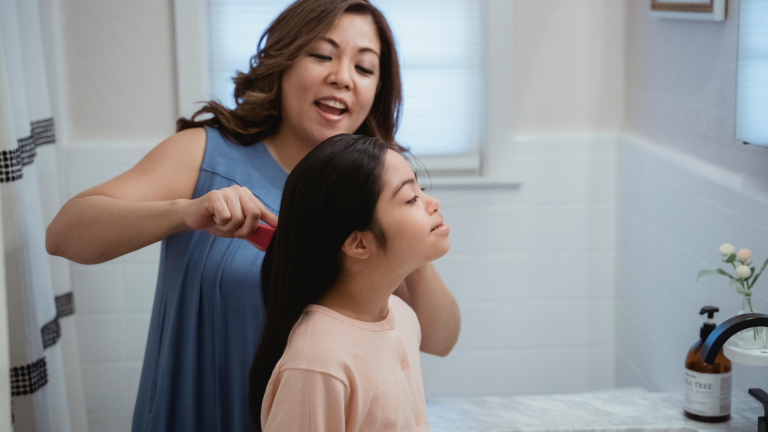
A simple head check at home can catch problems before luggage is zipped. Aim to check 24–48 hours before departure so you have time to act if needed. Use bright light, go section by section, and focus on common hot spots like behind the ears and along the neckline.
How to do a fast, accurate head check
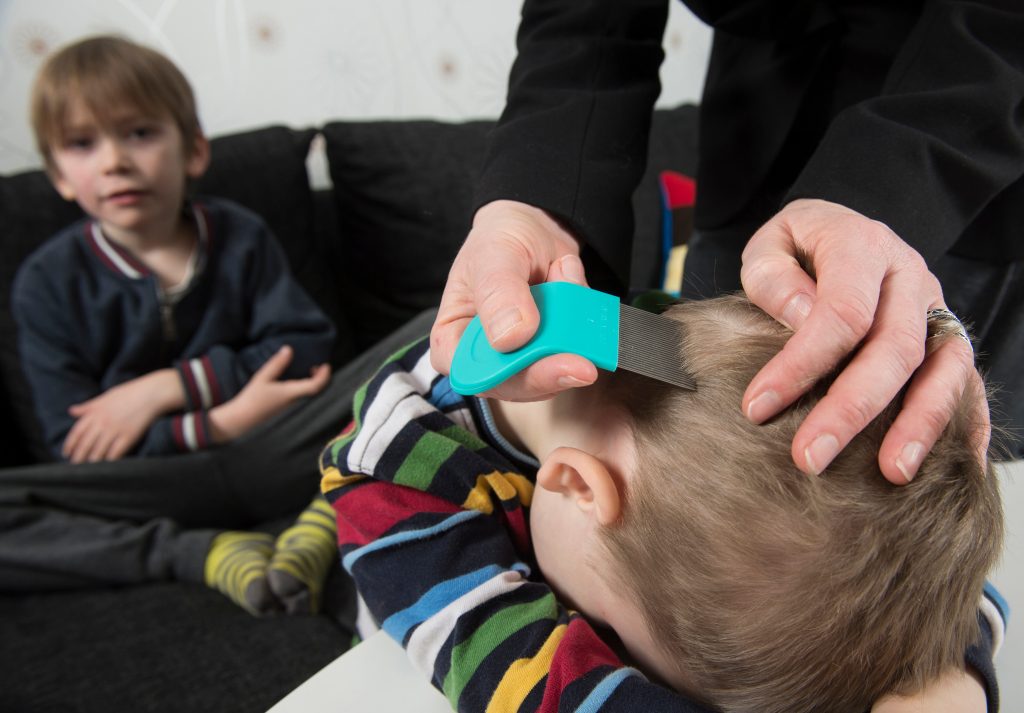
Start with detangled hair. Part it into small sections and look close to the scalp. Dandruff moves easily; nits are stuck to a single hair. If you’re unsure, don’t guess with random treatments—book a professional head check so you can pack with confidence.
- Use bright light and part hair in small sections slowly.
- Check behind ears, crown, and nape before packing bags today.
- Look for stuck oval specks, not loose flakes or sand.
- Comb damp hair with conditioner using a fine metal comb.
- If unsure, book a professional check before your child leaves.
A Camp-Friendly Screening Plan That Works
For camps, screening is most effective when it’s organized, consistent, and respectful. A simple intake check on arrival day can catch issues before cabins fully mix. A clear communication plan helps parents understand what the camp will do, what families should do, and how rechecks are handled. Learn about our lice treatment services in Pennington.
Make screening routine, private, and consistent
The best camp lice screening process is predictable and discreet. Keep checks short, use trained staff, and document results for follow-up. When camps treat screening as basic health practice, everyone stays calmer and kids stay focused on camp.
- Screen campers on arrival day, before cabins mix closely together.
- Train staff on privacy, gloves, and proper comb handling basics.
- Use a simple checklist and log results for follow-up later.
- Communicate clearly with parents about policies and next steps early.
- Offer quick on-site rechecks after sleepovers or swim days too.
If Lice Are Found: What To Do Next
Finding lice doesn’t mean camp is “ruined,” but it does mean you need a clear plan. Confirm what you’re seeing, avoid overreacting, and focus on treatment that removes both lice and nits. Quick action protects the child, the cabin, and the rest of the families at camp.
Fast treatment and a calm recheck plan
The most common reason lice return is missed eggs. Whether treatment happens at home or with professionals, the goal is complete removal and practical aftercare. Lice Lifters of Mercer County helps families with accurate checks, safe non-toxic treatment, and guidance that makes returning to camp straightforward.
- Confirm with a trained checker before notifying families or staff.
- Separate personal items, but avoid panic cleaning the whole camp.
- Treat promptly to remove lice and nits, not just bugs.
- Recheck close contacts and cabin mates within the next day.
- Share prevention reminders so campers return confidently and comfortably soon.
FAQs
Question: When should we do camp lice screening?
Answer: For families, a home head check 24–48 hours before camp is ideal, with another quick check the morning of departure if there’s an outbreak at school or in your area. For camps, screening on arrival day helps catch issues before cabins fully mix. If a case is found mid-session, recheck close contacts within the next day or two to prevent spread. Learn about our lice treatment services in Colonia.
Question: What am I looking for during a head check—lice eggs or dandruff?
Answer: Dandruff flakes are loose and slide off with brushing. Nits (lice eggs) are tiny, oval, and stuck to one hair near the scalp. If you try to slide a speck down the hair and it won’t move, treat it as suspicious. Focus on behind the ears and at the nape of the neck, where lice often hide.
Question: Do I need to deep-clean everything if lice are found?
Answer: Focus on practical steps, not extreme cleaning. Wash recently used pillowcases, hats, and clothing, and clean hair tools. You don’t need to sanitize the entire house or camp. Lice spread mainly through head-to-head contact, so the most important step is treating the head thoroughly and checking close contacts to stop the cycle.
Question: Can my child go back to camp after treatment?
Answer: In many cases, yes—once they’ve been treated properly and are cleared based on the camp’s policy. The key is making sure both lice and nits are addressed, and following aftercare instructions so eggs don’t hatch later. If your camp requires documentation, ask your treatment provider what they can supply and what follow-up checks are recommended.
Question: Can Lice Lifters of Mercer County help with camp screening?
Answer: Yes. We can support families with pre-camp head checks and help camps plan practical screening routines that reduce outbreaks and stress. If lice are found, we also provide safe, non-toxic treatment and clear aftercare guidance so kids can return to normal activities quickly. Contact Lice Lifters of Mercer County to discuss your camp’s needs or book a head check.